The High-Rate Squeeze: How Elevated Mortgage Costs and Escrow Shocks Are Driving Foreclosures
The High-Rate Squeeze: How Elevated Mortgage Costs and Escrow Shocks Are Driving Foreclosures
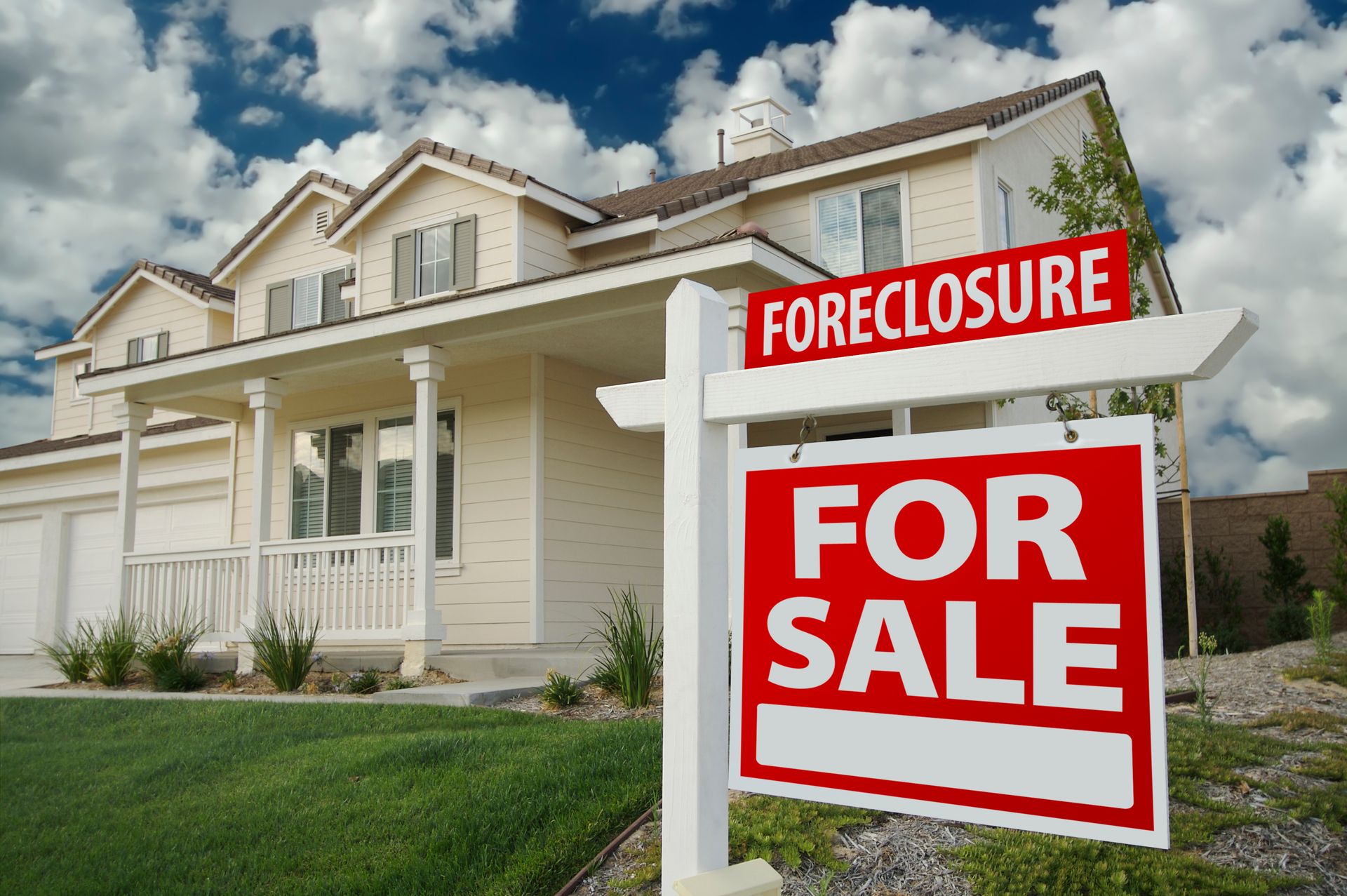
The national mortgage landscape has entered a sustained operational shift characterized by prolonged higher borrowing rates, escalating property expenses, and compounding consumer debt. While the widespread home equity cushion built over recent years prevented a 2008-style systemic collapse, foreclosure starts and default notices have recorded notable annual increases. As high interest rates remain firmly embedded in the housing finance system, they have systematically eliminated traditional borrower relief valves, pushing an increasing number of homeowners into formal foreclosure proceedings.
The most significant structural change in the housing market is the closure of the traditional refinancing escape hatch. During historical periods of economic difficulty, a struggling homeowner facing temporary income loss or mounting debt could contact a lender to refinance into an lower rate, immediately lowering their monthly mortgage payment by several hundred dollars. Today, that option is virtually nonexistent. Millions of borrowers who secured historically low fixed rates between 2% and 4% during the early 2020s cannot refinance without doubling or tripling their interest rate. Meanwhile, newer homeowners who purchased or refinanced during higher-rate periods carry payments that consume 30% to 50% of their net household income. If financial distress strikes, refinancing to lower monthly overhead is impossible.
Beyond base principal and interest payments, the surge in foreclosures is heavily fueled by "escrow shock." A standard mortgage payment typically bundles principal, interest, real estate taxes, and homeowner’s insurance into an impound account. Over the past three years, municipal property tax assessments have climbed alongside elevated property valuations. Concurrently, property and casualty insurance markets have experienced unprecedented rate hikes, with premiums climbing drastically in disaster-exposed and high-cost states such as Florida, Texas, and New York.
When insurers and taxing districts raise their rates, mortgage servicers pay the shortfall and subsequently recalculate the homeowner's escrow requirements. The result is an immediate double-whammy: the borrower must pay an escrow shortage balance from the preceding year while simultaneously paying a higher monthly escrow contribution for the upcoming year. It is increasingly common for homeowners to see their total monthly mortgage payment increase abruptly by $400 to $1,000 without any change to their underlying fixed interest rate. For middle-income households already managing general consumer inflation and rising debt obligations, this payment shock frequently triggers immediate 30-, 60-, and 90-day delinquencies.
Compounding this pressure is the reset of secondary loans and variable financing. Borrowers who utilized Home Equity Lines of Credit (HELOCs) or Adjustable-Rate Mortgages (ARMs) during earlier purchasing cycles have seen their variable interest rates adjust upward. As the introductory interest-only or teaser periods expire, monthly payment obligations jump significantly.
Once a borrower misses three consecutive payments, mortgage servicers trigger formal default notices and begin the acceleration process. Without sufficient liquidity to cure arrears in a single lump sum, homeowners face the legal machinery of judicial or non-judicial foreclosure. The combination of restrictive borrowing rates, escalating carrying costs, and non-negotiable insurance and tax assessments has converted what might have been temporary financial hardships into severe, long-term default actions.